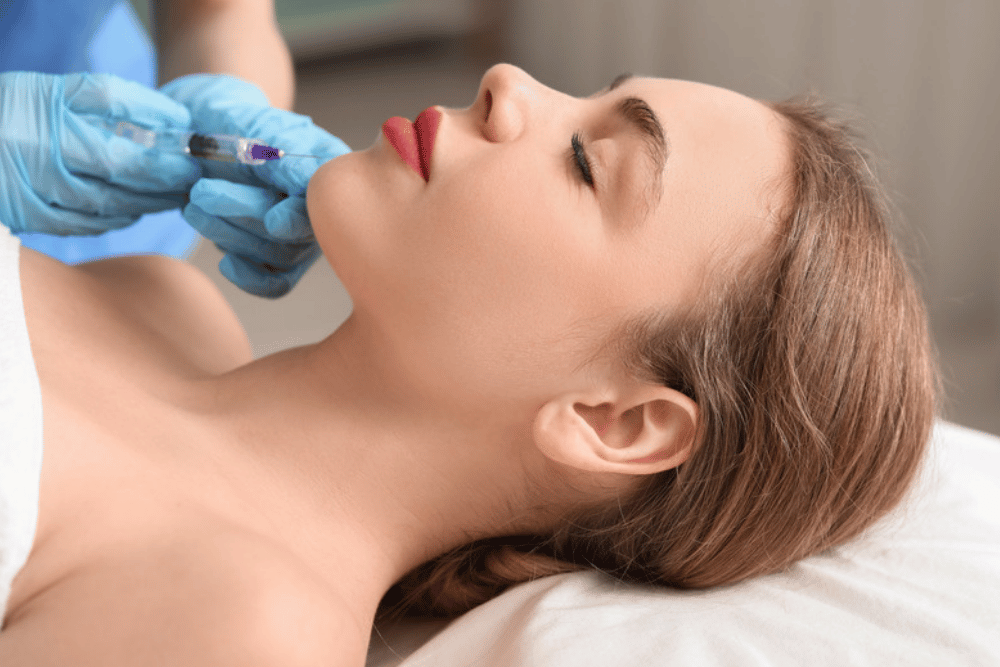
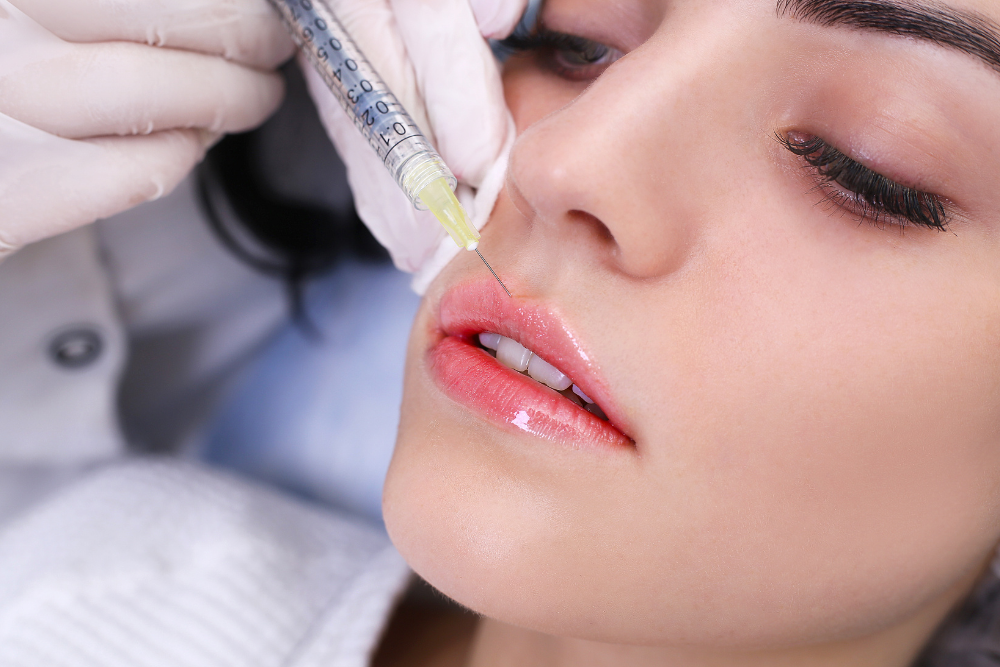
Lip fillers can add volume, improve definition, and enhance lip shape without surgery. However, like any injectable procedure, they carry potential risks.
Understanding which reactions are expected, which symptoms require medical attention, and how complications are managed can help you make informed decisions before treatment.
What Are the Common Side Effects of Lip Fillers?
Swelling, bruising, redness, tenderness, and mild discomfort are common after lip filler injections. These reactions often occur shortly after treatment and gradually improve over several days, although recovery varies by person and product.
Temporary swelling can make the lips appear uneven or fuller than expected. This does not necessarily mean something has gone wrong.
However, symptoms should generally improve rather than become increasingly severe.
Other possible complications include:
Lumps and uneven texture: Small bumps may develop because of swelling, product placement, or uneven distribution.
Asymmetry: The lips may appear uneven during healing or after the filler settles.
Infection: Bacteria entering the injection site can cause increasing redness, warmth, pain, or drainage.
Allergic or inflammatory reactions: Some people develop persistent swelling, itching, or firm nodules.
Contact your provider if symptoms worsen, persist beyond the expected recovery period, or concern you. Do not attempt to correct lumps by massaging your lips unless your treating professional specifically advises you to do so.
What Is Vascular Occlusion, and Why Is It Serious?
Vascular occlusion is one of the most serious complications associated with dermal fillers. It occurs when filler enters or compresses a blood vessel, restricting blood flow to surrounding tissue.
Warning signs can include unusual or increasing pain, pale or white patches, mottled or dusky skin discoloration, and skin that feels unusually cool. Symptoms may develop during treatment or afterward.
If you suspect vascular occlusion, contact your injector immediately for emergency assessment. Do not wait for a routine follow-up appointment.
How Are Lip Filler Complications Managed?
Management depends on the type of complication, its severity, and the filler used. There is no single treatment suitable for every adverse reaction.
Swelling and bruising: Mild reactions often improve with time and appropriate aftercare. Your provider may recommend short periods of gentle cooling to help manage discomfort.
Lumps and unevenness: Your provider will determine whether the problem is temporary swelling, misplaced product, inflammation, or another complication.
Infection: Suspected infection needs prompt medical evaluation. Treatment may include antibiotics or other interventions, depending on the cause and severity.
Vascular occlusion: This requires urgent treatment by a qualified medical professional. When hyaluronic acid filler is responsible, hyaluronidase may be used to dissolve the product.
How Can You Reduce the Risk of Lip Filler Complications?
Although complications cannot be eliminated entirely, careful preparation and appropriate clinical care can help reduce risks.
Choose a qualified provider: Look for a properly licensed medical professional with training in facial anatomy, injectable techniques, and complication management.
Share your medical history: Discuss allergies, medications, supplements, previous fillers, cold sores, and relevant health conditions before treatment.
Ask about emergency protocols: Your provider should be prepared to recognize and manage serious complications, including vascular occlusion.
Follow aftercare instructions: Avoid unnecessary pressure or manipulation of your lips, and follow your provider’s guidance on exercise, skincare, and recovery.
Attend follow-up appointments: Report unusual symptoms promptly and seek reassessment if your healing does not progress as expected.
Make Informed Decisions About Lip Fillers
Lip fillers can offer a way to enhance lip volume and definition, but safe treatment involves more than choosing a product. At A New You Aesthetics, we encourage open communication, careful assessment, and realistic expectations so you can make informed decisions about your care.
Call us at 951-972-8911 to discuss your aesthetic goals and learn more about our approach to injectable treatments.